

How Farmers Are Using Agrivoltaics to Boost Their Income
Farmers are increasingly turning to agrivoltaics to enhance their income while promoting sustainable practices. This innovative approach combines agriculture and solar energy, addressing urgent economic needs and climate change challenges in the agricultural sector. As the agriculture industry faces mounting pressures from erratic weather patterns and economic constraints, agrivoltaics presents a promising solution that not only harnesses the sun’s power but also maximizes land utility.
Importance of Agrivoltaics in Modern Farming
Agrivoltaics, the dual use of land for both solar energy production and agricultural purposes, is gaining traction in modern farming. As climate change continues to disrupt traditional farming methods, many farmers seek innovative solutions to stabilize their income. Recent studies indicate that agrivoltaics can reduce land competition between solar energy projects and agricultural practices, making it a viable option for farmers (source).
In addition to providing income diversification, agrivoltaics mitigates the impacts of climate change. By integrating solar panels into agricultural operations, farmers can enhance their resilience to unpredictable weather, thus safeguarding their livelihoods. This sustainable practice addresses the urgent economic needs of farmers while supporting environmental goals, demonstrating that agriculture and renewable energy can coexist productively.
How Solar Panels Transform Farming Spaces
The installation of solar panels on farmland transforms traditional agricultural spaces, creating opportunities for farmers to generate additional income. By harnessing solar energy, farmers can sell excess energy back to the grid, providing an alternative revenue stream that complements their crop production.
Farmers utilizing agrivoltaics can benefit from diversified income sources that make their operations more financially stable. Successful examples of this hybrid model showcase its potential: one farmer in California reported a significant boost in income after installing solar panels on his property, illustrating how agrivoltaics can radically redefine farming economics. As noted by industry experts, the energy generated not only powers their operations but can also offset costs like irrigation and machinery.
Economic Benefits of Agrivoltaics for Farmers
Agrivoltaics offers robust economic benefits for farmers looking to maximize their profitability. By reducing energy costs associated with farming operations, agrivoltaics can effectively increase profit margins. Moreover, many governments provide incentives and financial assistance for farmers adopting renewable energy solutions. This support makes the transition to agrivoltaics not only appealing but also economically feasible for a broader range of farmers.
Equally important is the potential increase in crop yields linked to agrivoltaics. Studies have shown that the shade provided by solar panels can create a microclimate conducive to growing certain crops—ultimately leading to enhanced productivity. These dual advantages of cost reduction and increased revenues position agrivoltaics as a strategic investment for farmers aiming to future-proof their operations against economic volatility and climate-related challenges.
Innovative Crop Pairing Techniques
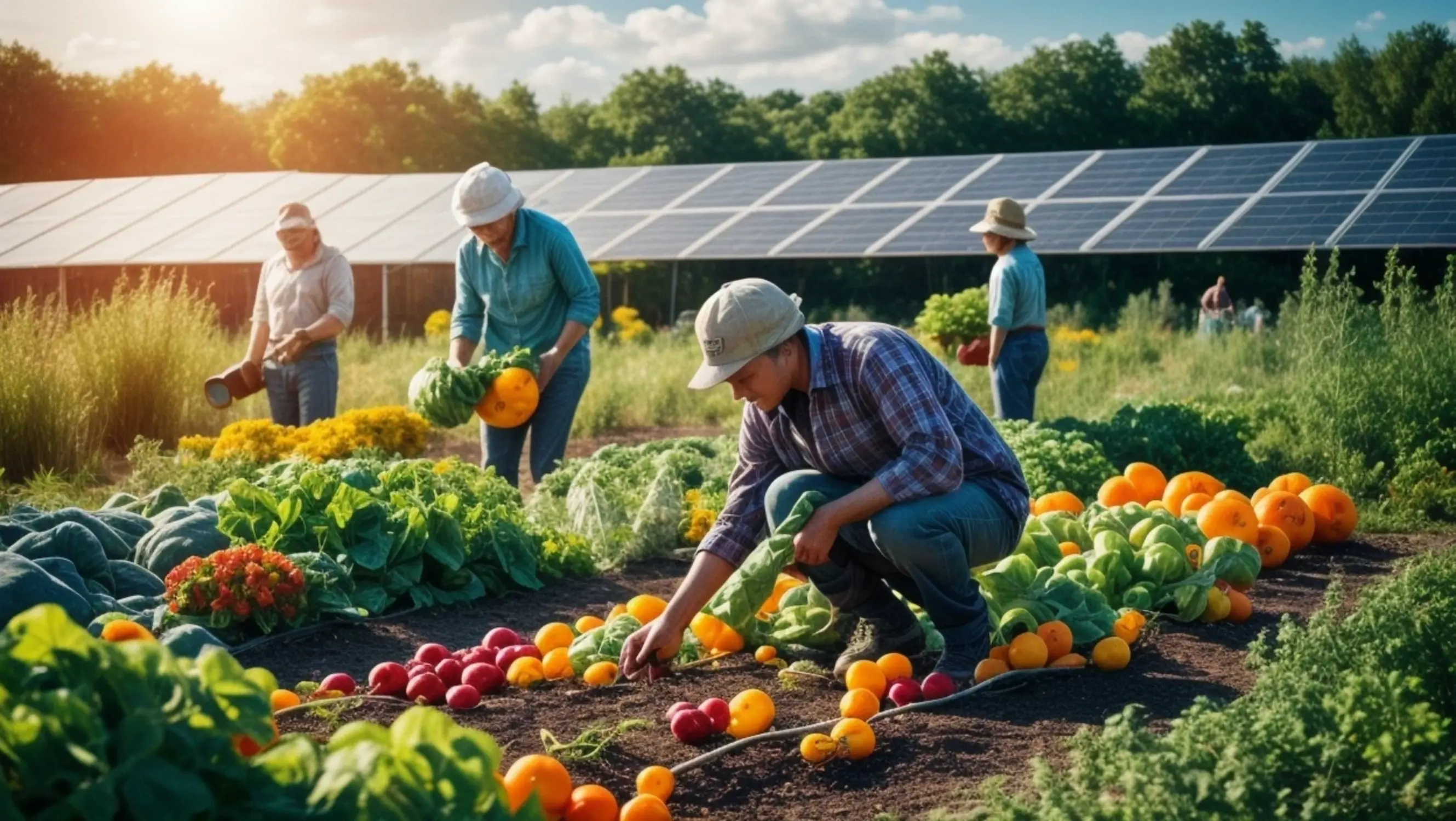
One of the most exciting aspects of agrivoltaics is the opportunity for innovative crop pairing techniques. Farmers can cultivate shade-tolerant crops underneath solar panels, effectively using the same land for multiple purposes. This intensification of land usage means farmers can nurture various resources simultaneously, enhancing food production while maintaining energy generation.
For example, pairing leafy greens with solar infrastructure has proven effective, as they thrive under partial shade while benefiting from the moisture retention of the soil. This method not only maximizes land efficiency but also helps farmers meet growing consumer demands for fresh produce. Successful stories of crop pairing underline the flexibility of agrivoltaics, demonstrating how it can be tailored to fit different farm types and climates.
Current Adoption Rates and Future Trends
Current trends show a growing adoption of agrivoltaics among farmers, with statistics revealing a steady increase in installations across the globe. According to the U.S. Department of Agriculture, as of 2023, more farmers have engaged in dual-use land practices, highlighting a rising awareness and acceptance of this innovative approach. The predictions for agrivoltaics growth are optimistic, with experts estimating continued advancements in technology will further enhance its viability.
Technological improvements in solar panels and energy storage systems are making it easier for farmers to integrate these systems sustainably. As the market for renewable energy grows, agrivoltaics is set to play an integral role in the future of farming, showcasing the potential for a more resilient and sustainable agricultural sector.
Strategies for Implementing Agrivoltaics
Farmers interested in transitioning to agrivoltaics need to follow actionable strategies for effective implementation. First, conducting a thorough site assessment is crucial to determine the suitability of land for solar panel installation. Resources for funding and technical support are also available, with government programs aimed at assisting farmers in adopting renewable energy solutions.
Selecting the right crops to pair with solar technology is essential for achieving optimal results in crop yield and energy generation. Farmers should consider crops that thrive in shade along with their economic returns when planning their agrivoltaics layout. Finally, monitoring performance and making adjustments based on initial outcomes will help ensure the investment pays off in the long run. By embracing agrivoltaics, farmers can not only boost their income but also contribute to a more sustainable and resilient farming future.