

Why Bitcoin Is About to Change Everything in the Global Economy
Bitcoin is at the forefront of a profound transformation in the global economy, influencing investment strategies and driving crypto adoption. Understanding how this digital currency is reshaping market trends is essential for anyone looking to navigate today’s financial landscape.
The Significance of Bitcoin in Today’s World
Bitcoin has emerged as a pivotal player in the evolution of financial systems globally. Its creation and adoption signify a shift toward decentralized finance, which offers an alternative to traditional banking. The increasing complexity of the global economy raises concerns about inflation and currency devaluation, making Bitcoin a compelling option for wealth preservation. As highlighted by multiple sources, Bitcoin’s performance often inversely correlates with traditional asset classes, particularly in times of economic uncertainty. This relationship underlines the importance of crypto adoption for future economies, as many investors seek refuge in digital assets during financial downturns.
The potential impacts of Bitcoin extend beyond personal finance; they can alter how nations interact with money. Countries with volatile currencies are observing how Bitcoin can stabilize economic activity. Furthermore, as businesses consider integrating Bitcoin into their payment structures, the implications for global trade could be revolutionary. As Bitcoin gains traction, it is essential for stakeholders to recognize its potential to reshape financial interactions and bring economic inclusivity to underserved populations.
Current Dynamics in the Crypto Market
At present, Bitcoin’s market fluctuations are closely monitored by investors and analysts alike. The cryptocurrency sector has witnessed remarkable evolution, with Bitcoin often leading the charge. Recently, Bitcoin has shown resilience despite economic fallout, drawing heightened interest in cryptocurrency investments. Many traditional investors are beginning to explore this newer asset class as they recognize the potential for high returns. According to recent analyses, Bitcoin is becoming increasingly relevant, even as regulatory landscapes tighten.
Market trends currently indicate a growing inclination towards cryptocurrency investments as more individuals educate themselves on the mechanics of blockchain technology. Institutions are also tapping into Bitcoin, and some are even including it in their balance sheets. As these dynamics evolve, they highlight the transformative power of Bitcoin and similar cryptocurrencies on traditional investment frameworks.
Bitcoin’s Role in Investment Strategies
Integrating Bitcoin into personal finance requires a nuanced understanding of both its benefits and risks. It can diversify portfolios, allowing investors to hedge against inflation and currency fluctuations. However, investors must also contemplate the inherent volatility of cryptocurrency markets. Strategies for investing in Bitcoin include dollar-cost averaging, which entails consistently investing a fixed amount over time and mitigating the risk associated with market timing.
Moreover, understanding how to navigate the risks linked with Bitcoin investments is crucial. Financial advisors often recommend that investors allocate only a small percentage of their total portfolio to cryptocurrencies. This approach can prevent excessive exposure to market fluctuations that Bitcoin is known for. By incorporating assets like Bitcoin into investment strategies, individuals can adapt to ongoing shifts in financial markets while maintaining a balanced investment approach.
Understanding Crypto Adoption Trends
Several factors are driving the increasing acceptance of Bitcoin among consumers and businesses alike. One major aspect is the rise of technology, which simplifies transactions and lowers barriers to entry. Digital wallets and payment apps have made it easier for everyday users to interact with Bitcoin and other cryptocurrencies. As industry experts note, the integration of Bitcoin into payment systems reflects a broader shift towards digital assets in global trade.
Additionally, the generational shift towards digital currencies plays a significant role in the acceleration of crypto adoption. Younger generations, often more tech-savvy and open to innovation, are increasingly investing in Bitcoin as they recognize its potential. This shift signifies a cultural change in how financial transactions are viewed, paving the way for further integration of crypto assets into mainstream finance.
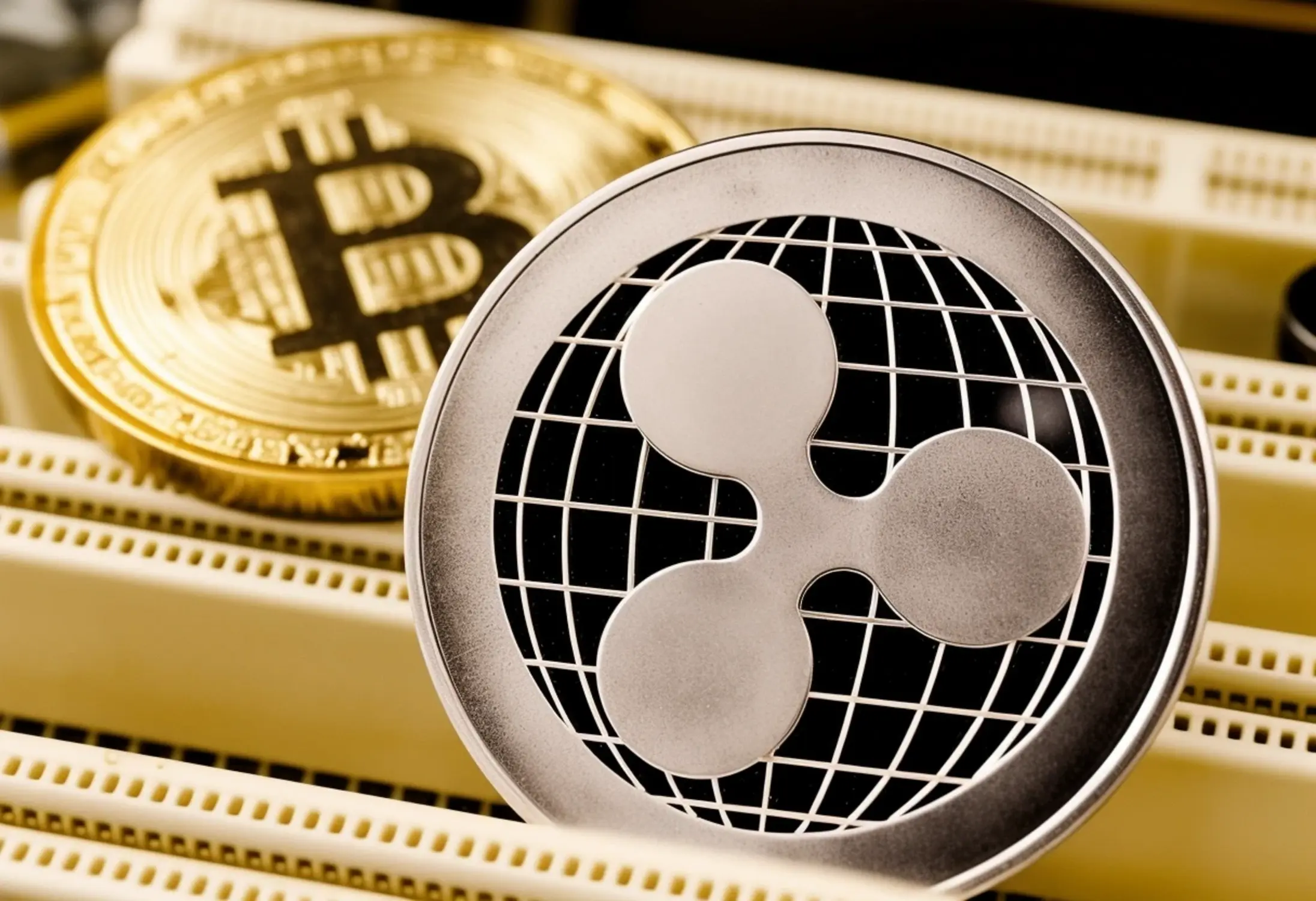
Impacts of Bitcoin on the Global Economy
Bitcoin’s influence on the global economy is profound, particularly regarding traditional banking systems. As more people adopt Bitcoin, banks may need to rethink their strategies to remain relevant. Moreover, Bitcoin facilitates cross-border transactions in a more cost-effective manner, challenging the traditional remittance market. By bypassing traditional banking fees and delays, Bitcoin can empower individuals in developing nations, promoting economic inclusivity.
Furthermore, Bitcoin’s role in international trade is likely to grow, as businesses explore ways to leverage its advantages over conventional financial systems. By using Bitcoin, companies can potentially minimize transaction costs and expedite payment processes. As these changes unfold, stakeholders must be prepared to adapt to the evolving landscape fueled by Bitcoin’s adoption.
Preparing for the Future of Bitcoin in Finance
To engage with Bitcoin effectively, readers should consider actionable strategies that align with their financial goals. Firstly, staying informed about market trends is critical. The landscape of cryptocurrency is dynamic, and understanding its fluctuations can provide insights for better decision-making. Developing a robust financial strategy that accommodates Bitcoin can lead to enhanced diversification and risk management.
As Bitcoin continues to influence the financial environment, individuals should contemplate the personal finance implications of this digital asset. Engaging with Bitcoin isn’t just about investing; it involves understanding a broader shift in economic paradigms. The ongoing changes in the global economy indicate that Bitcoin is set to redefine financial norms, and those prepared to adapt may find themselves at a distinct advantage.