
How Investors Are Using Economic Data to Navigate Tariff Challenges
In today’s unpredictable landscape, investors face significant challenges stemming from tariff uncertainty. This uncertainty influences not only trade but also global market dynamics. By harnessing economic data, investors are able to navigate these turbulent waters, adjusting their strategies to minimize risk while identifying new opportunities amidst the volatility.
Understanding the Impact of Tariff Uncertainty on Markets
Tariff uncertainty can create significant disruptions in trade flows, affecting both local economies and global markets. For instance, industries such as manufacturing and agriculture are particularly vulnerable, as they rely heavily on international supply chains. As tariffs escalate or change unexpectedly, these sectors may experience severe declines in profit margins. Investors closely analyze shifts in tariff policies to anticipate market reactions, making timely decisions based on these insights. According to a recent article, the stock market often reflects tariff news in real time, highlighting the sensitivity of investments to such announcements.
Current Economic Data Trends Reshaping Investment Strategies
The latest economic indicators greatly influence investor confidence and market performance. Data on inflation rates, employment numbers, and gross domestic product (GDP) are crucial for assessing economic health. For example, as inflation rises, the Federal Reserve may adjust interest rates, affecting investment decisions. Furthermore, economic reports can help investors pinpoint sectors that are more susceptible to tariff implications. As data flows in, investors assess these reports quickly to make informed choices that align with market trends and forecasts based on potential tariff adjustments.
In fact, fluctuations in economic data have been shown to correlate with investment behaviors, as investors become more cautious or aggressive depending on these metrics.
The Role of Bitcoin in Navigating Tariff Challenges
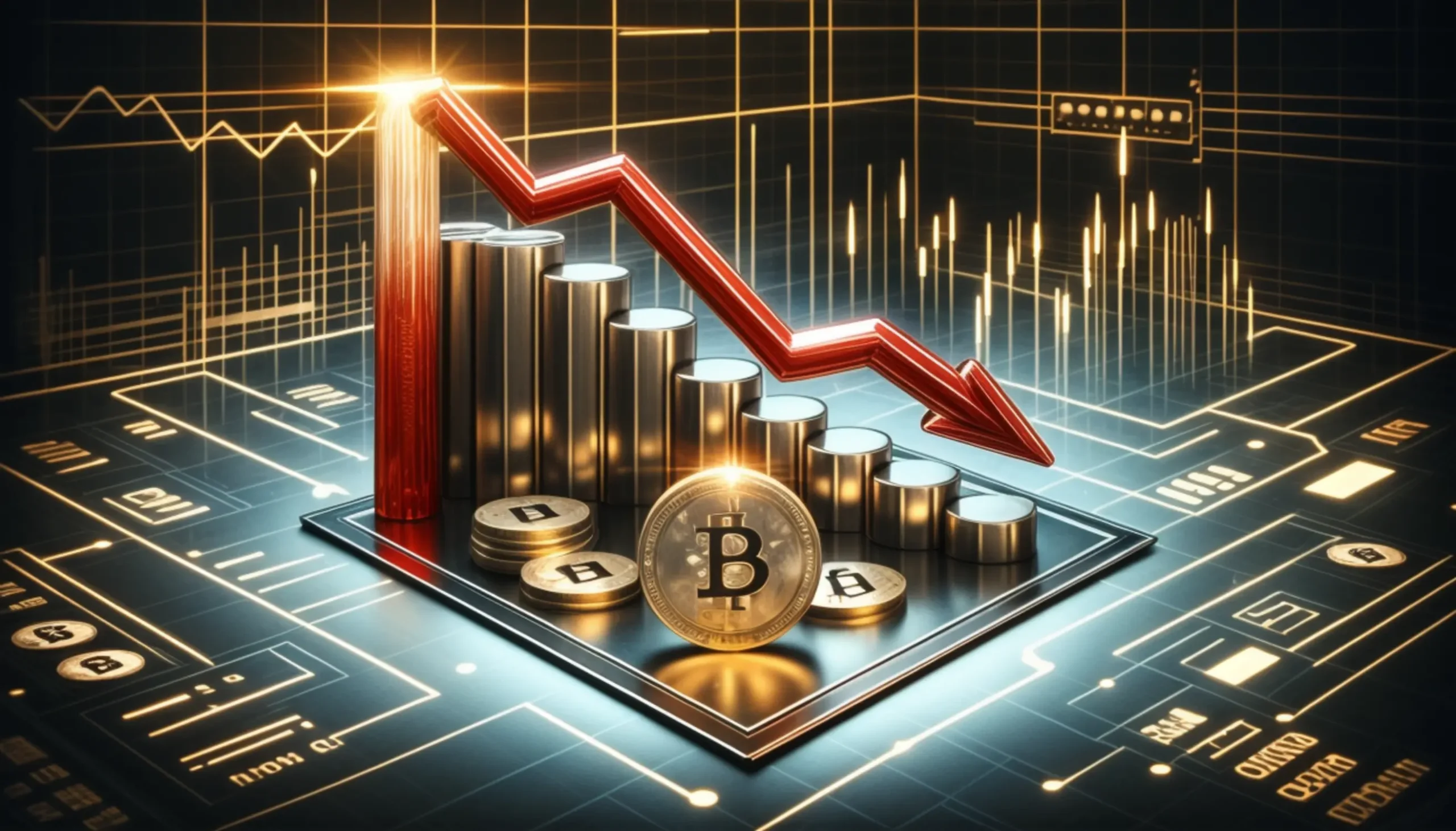
Bitcoin has emerged as an intriguing asset during periods of tariff uncertainty, often viewed as a potential hedge against currency fluctuations. While tariffs can alter international trade dynamics, they can also influence global crypto trading volumes. As traditional markets face the brunt of tariff changes, investors may pivot toward cryptocurrencies like Bitcoin for stability. During discussions of tariffs, the correlation between economic reports and Bitcoin prices comes into sharp focus, as seen when Bitcoin dropped to charts due to impending tariff legislation (Bloomberg). This reaction illustrates how Bitcoin can serve both as a speculative asset and a safe haven against instability.
Key Insights on Economic Data for Investors
Deciphering economic reports is essential for investors to stay ahead. By focusing on key indicators such as labor market statistics and consumer confidence indexes, investors can better understand the broader economic landscape. Macro-economic factors, including interest rates and international trade agreements, heavily influence investor sentiment. Thus, maintaining a finger on the pulse of real-time data allows for swift strategic pivots, ensuring that investment portfolios remain aligned with current market conditions. The agility to adjust based on new data can be the difference between profit and loss in such unpredictable markets.
Practical Strategies for Mitigating Tariff Impact
To navigate tariff-induced volatility, investors should adopt effective risk management techniques. Here are practical strategies that can prove beneficial:
– Diversification: A well-diversified portfolio reduces reliance on any single economic sector, making it less vulnerable to tariff impacts.
– Hedging: Employing hedging strategies such as options or commodities can protect investments against sharp market shifts.
– Staying informed: Regularly monitor economic developments and analysis to stay ahead of changes.
Utilizing these techniques creates a buffer against the instability often seen during periods of heightened tariff uncertainty. Successful investors are those who proactively adjust their strategies in response to new information.

Future Considerations: Adapting to Evolving Market Conditions
As the landscape continues to evolve, understanding how ongoing policy changes may affect economic data is vital for long-term success. Embracing technology, such as advanced analytics platforms, can enhance the accuracy of forecasting models. Furthermore, adaptive strategies that pivot quickly in response to data changes become essential tools for growth in uncertain times. Investors looking to the future must prioritize flexibility and information-driven insights, ensuring their strategies remain effective regardless of the challenges presented by tariff fluctuations.