

The Hidden Truth About Bitcoin’s Price Manipulation Tactics Unveiled
As Bitcoin’s price fluctuates, understanding the mechanisms behind Bitcoin price manipulation is critical for investors. These tactics not only affect market dynamics but also impact trading strategies and investor decisions in the volatile crypto landscape.
Unraveling Bitcoin Price Manipulation Tactics
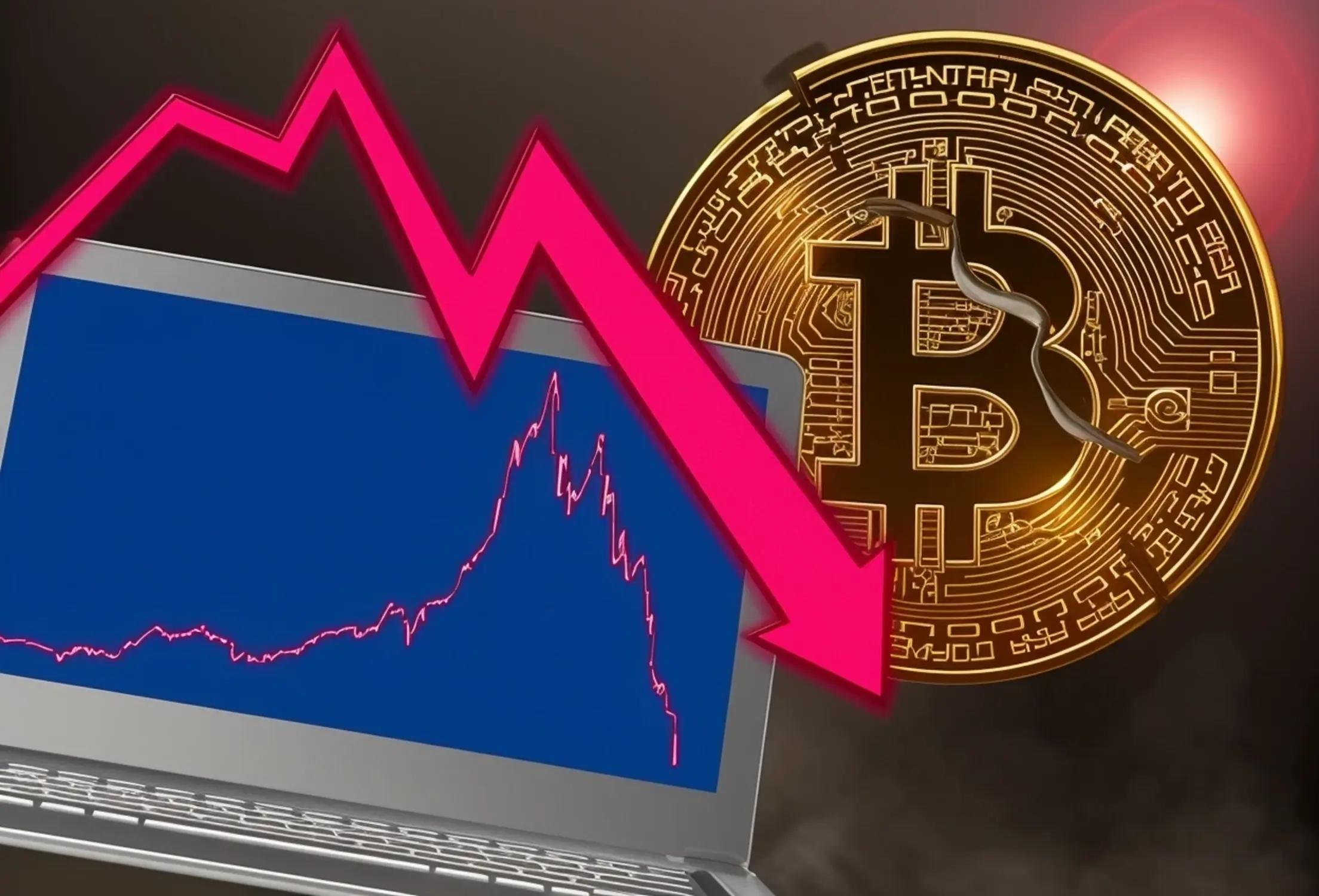
Bitcoin price manipulation involves tactics that create artificial price fluctuations through deceptive practices. These acts can range from pump-and-dump schemes to order book manipulation. Recently, notable examples of this deceit have emerged, including spikes in price followed by sharp declines, which align with trader psychology and market reactions. In one instance, suspicious trading patterns raised alarms as Bitcoin’s value was briefly pumped before a sudden drop, suggesting orchestrated manipulation to exploit unsuspecting traders. Such actions harm long-term holders while benefiting those who can move quickly in response to the volatility. As crypto market analysis shows, understanding these manipulation tactics is vital for safeguarding investments and making informed trading decisions.
Current Market Sentiment and Bitcoin Volatility
Bitcoin’s recent price swings reflect a broader market sentiment steeped in caution. As the cryptocurrency oscillates between $88,000 and $93,000, many investors find themselves hesitant amidst fluctuating volumes. Current market trends indicate a correlation between trading volume spikes and sudden price movements. When trading volume increases, often the result of reactions to market news or manipulation, it can lead to unpredictable Bitcoin volatility. Industry experts note that Bitcoin trades just above $90,000, with a recent 15% increase in trading volume, reflecting shifting investor confidence as they navigate through uncertain trading conditions. This volatility drives traders to adapt their behavior and strategies, with many prioritizing caution over aggressive trading postures, which can often lead to losses in such a destabilized environment.
How Trading Strategies Can Adapt to Market Dynamics
In light of potential manipulation effects, adaptive trading strategies can play a crucial role in an investor’s toolkit. Utilizing crypto market analysis tools can empower traders to better respond to sudden market shifts. Key strategies may include setting tighter stop-loss orders to protect against rapid declines or diversifying investment portfolios to mitigate risks. A real-world example includes a trader who utilized market sentiment analysis to avoid losses during significant price corrections by recognizing signs of manipulation ahead of time. Such insights highlight the importance of being proactive rather than reactive. Increasing one’s knowledge of market signals and trends can lead to better decision-making, thereby improving the chances of successful trading outcomes amidst Bitcoin’s notorious volatility.
The Role of External Factors in Bitcoin’s Price
External market influences significantly affect Bitcoin’s price dynamics. For example, the performance of precious metals often correlates with cryptocurrency market trends. Recent data suggests that stabilization in metals is crucial for Bitcoin to resume a sustained upwards trajectory, as noted by analysts like Michaël van de Poppe. Additionally, macroeconomic indicators—such as interest rates and economic stability—impact investor sentiment, which in turn affects Bitcoin volatility. Understanding investor psychology also plays a vital role in trading decisions; fear and greed can lead to erratic trading behavior, which is often exploited by manipulators. As trading environments evolve, it’s essential for investors to watch these external factors closely to make astute investment decisions.
Minimizing Risk: Insights for Investors
To shield their assets, investors must employ concrete strategies amid Bitcoin’s unpredictable landscape. Diversification within the crypto space ensures that exposure to any single asset’s manipulation risk is minimized. Additionally, leveraging analytical tools like market sentiment trackers can provide timely insights, enabling proactive measures against potential downturns. Practical approaches include setting investment limits and avoiding leverage during periods of high volatility, allowing investors to maintain control over their trades. Resources abound for those looking to track market trends effectively, supporting informed decisions in a rapidly shifting environment.
Future Outlook: Bitcoin’s Market Stability
Looking ahead, predictions suggest a potential for Bitcoin’s price trajectory to stabilize amid evolving trading conditions. As long as external factors like commodity performance and macroeconomic indicators remain balanced, Bitcoin may strain for a more stable market presence. Analysts expect ongoing fluctuations as manipulative tactics persist in the crypto space, making it vital for both short- and long-term investors to remain vigilant. By preparing for new trends in Bitcoin trading, particularly in identifying manipulation tactics and adopting flexible trading strategies, investors can better navigate the complexities and seize opportunities in this dynamic market.