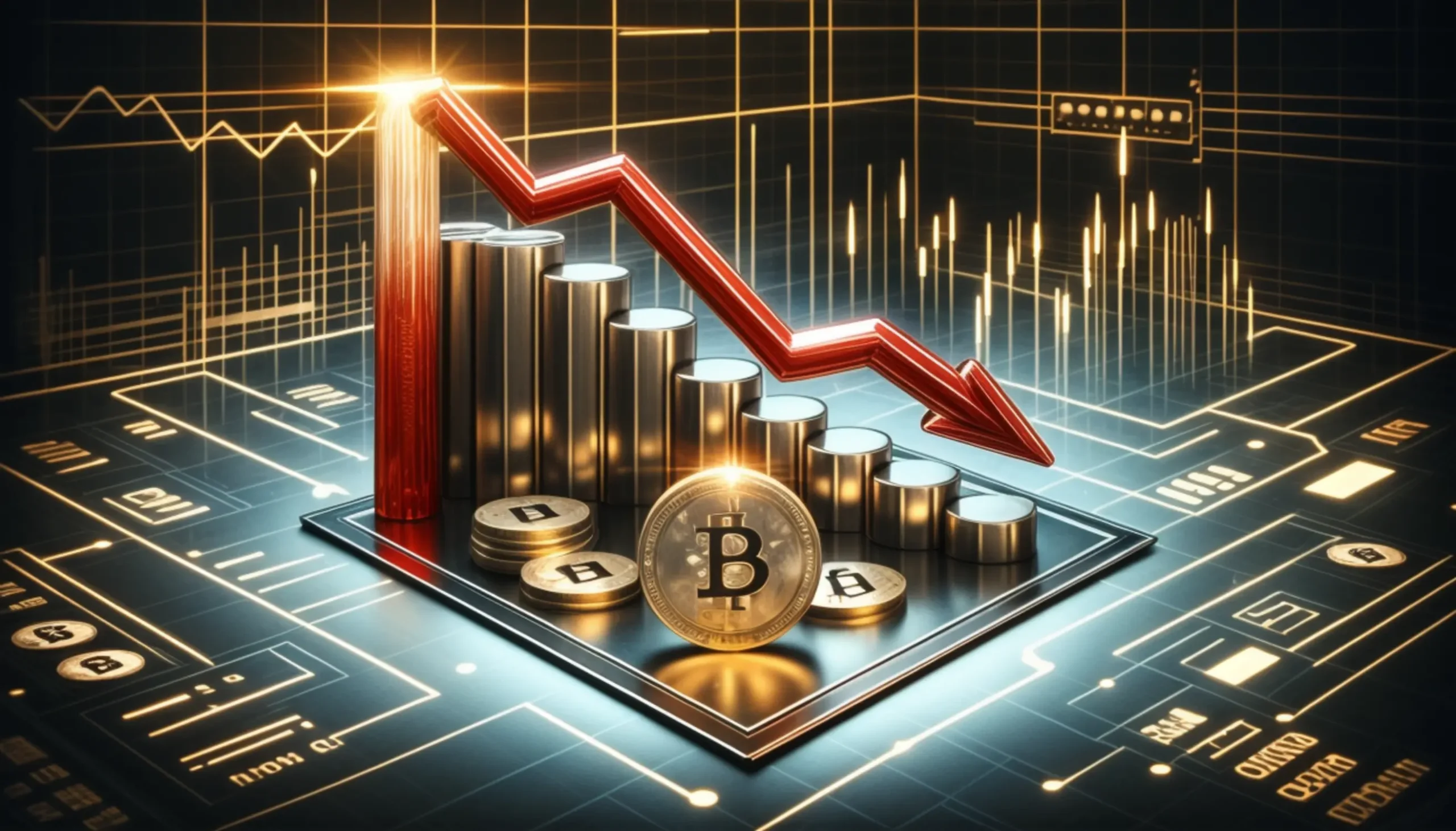

Why Rising Interest Rates Are About to Change Everything in Crypto Trading
As rising interest rates create turbulence in the financial landscape, the impact on crypto investments and Bitcoin trading is significant. Understanding how these economic factors influence trading strategies and the market will empower investors to adapt and thrive in uncertain times.
Understanding Interest Rates Impact on Crypto Trading
Interest rates play a pivotal role in influencing the cryptocurrency market. When central banks, like the Federal Reserve, adjust rates, it alters the cost of borrowing, which directly affects investor behavior. Higher interest rates often lead to reduced liquidity as borrowing costs increase. In the realm of crypto, this can result in decreased investments, as potential investors look for safer, interest-bearing assets instead of volatile cryptocurrencies. For instance, investment strategies traditionally favor riskier assets during lower interest rates. This shift means that with rising rates, we can expect a notable impact on Bitcoin trading and overall market dynamics, as the demand for cryptocurrencies may wane during these periods.
Moreover, the psychological aspects of interest rate changes cannot be overlooked. Investors tend to react to news from the Fed with a collective sentiment that can cause significant price fluctuations. As current discussions suggest, any nuanced statement from the Fed can create immediate ripple effects in the markets.
Economic Factors Influencing Crypto Markets
The cryptocurrency market is not just influenced by interest rates; it’s also impacted by a myriad of other economic factors. These include inflation, government policies, and global economic stability. Recently, rising inflation in various economies has led some investors to view cryptocurrencies as a hedge against this erosion of purchasing power. However, conflicting signals arise when inflation prompts central banks to hike interest rates, potentially tightening the flow of capital into crypto.
Traders need to develop a keen insight into how these economic indicators interact. Adaptations to trading decisions might include capitalizing on price dips during periods of high volatility. Successful investors often watch for trends and reports that reveal shifts in inflation and economic forecasts, allowing them to preemptively adjust strategies in response to market fears or optimism.
Fed Decisions and Their Ripple Effects
The Federal Reserve’s decisions echo throughout the financial markets, including the crypto space. Recent adjustments in interest rates have significant implications for investor sentiment. When the Fed raises rates, it can trigger panic selling as investors flee to safety, impacting prices negatively. Historical data shows that major bumps in interest rates often coincide with declines in cryptocurrency valuation.
For instance, tightening monetary policy observed in the past has often resulted in decreased investor enthusiasm in assets perceived as high-risk, such as crypto investments, which is further compounded by sudden market adjustments. Thus, understanding the Fed’s tone and message during meetings can provide a roadmap for potential price movements in the crypto markets. In this context, staying informed about upcoming Fed meetings and their likely outcomes becomes critical for traders looking to navigate this sensitive landscape.
Current State of Bitcoin Trading Landscape
The current landscape for Bitcoin trading reflects the uneasy balance between traditional finance and the world of cryptocurrencies. As rates rise, we see Bitcoin volatility increase in tandem with speculation about its future price paths. Recent statistics indicate a sharp increase in market activity, with increased volatility leading to swings in valuation.
Higher interest rates tend to increase caution among investors, leading to significant fluctuations in trading volumes. As a result, the current trends encompass both growing interest in Bitcoin as an inflation hedge and the caution of a potentially contracting investor base. Depending on how rate hikes play out, Bitcoin may either strengthen against traditional assets or continue facing downward pressure, depending heavily on investor sentiment and responsiveness to economic conditions.
Adapting Crypto Investments to Interest Rate Changes
As interest rates rise, investors must look for strategies to adapt their portfolios effectively. Diversifying investments is a prime strategy; allocating assets between cryptocurrencies and more traditional financial instruments may help mitigate risks involved with rate hikes. Rebalancing portfolios based on current market knowledge can prepare investors for shifts caused by economic disruptions.
Additionally, successful trader case studies reveal that maintaining flexibility in strategies is critical. Keeping a close watch on key indicators such as inflation rates and central bank announcements will allow traders the agility necessary to capitalize on opportunities or exit positions before significant downturns occur. It’s imperative to recognize how rate shifts affect investor psychology and trading volumes.
Preparing for Future Economic Shifts
Looking ahead, investors should monitor key indicators that may signal further changes in interest rates. Signs of increased inflation or shifts in employment reports can provide early warnings about potential rate adjustments. By analyzing these indicators, traders can maintain a flexible strategy moving forward.
Continuous education and a commitment to staying updated on economic shifts can significantly impact trading success. Keeping abreast of the news and connecting with market analysis can empower traders to make informed decisions. As the crypto landscape evolves, staying adaptable in response to the unpredictable effects of rising interest rates is fundamental to flourishing in this volatile market.