

Why Nvidia’s AI Chips Are Poised to Disrupt US-China Relations
The rapidly evolving landscape of AI chips has been thrust into the spotlight as Nvidia’s recent sales to China could redefine geopolitical dynamics. Companies and countries must navigate the implications of these technological advances on trade and international relations.
Implications of AI Chips on Global Trade
AI chips have emerged as a cornerstone of global commerce in the digital age. As nations strive to bolster their technological prowess, the significance of AI chips cannot be overstated. They are pivotal in everything from data processing to machine learning, making them crucial for both civilian and military applications. In this context, the relationship between the United States and China takes center stage, particularly given the recent shifts in technology export policies.
The competition for technological supremacy between the US and China has intensified, with AI chips at the heart of this rivalry. The need to control advanced technology exports has galvanized both countries to reassess their strategies and regulations. For instance, amid growing global demand for AI chips, recent regulatory changes by the US government, which have lifted restrictions on certain sales to China, indicate a nuanced shift in approach that carries significant implications for international trade, according to recent reports.
Nvidia’s Role in Shifting Geopolitical Risks
Nvidia stands at the forefront of the AI chip market, wielding considerable influence over the evolving landscape. The company has established itself as a leader in developing powerful AI chips, shaping industries across the globe. However, its position is not without challenges. Nvidia faces escalating scrutiny from US regulators, who are increasingly concerned about national security implications arising from its sales to China.
In recent months, discussions surrounding Nvidia have resurfaced in Washington, with national security dialogues focusing on the potential risks associated with exporting advanced technologies. Given Nvidia’s pivotal role in this conversation, the company’s actions could shift the tide of geopolitical relations. As industry experts note, any future alterations in Nvidia’s operational strategies will undoubtedly influence the broader tech landscape, as well as security assessments in the region.
AI Chips and Their Current State in China
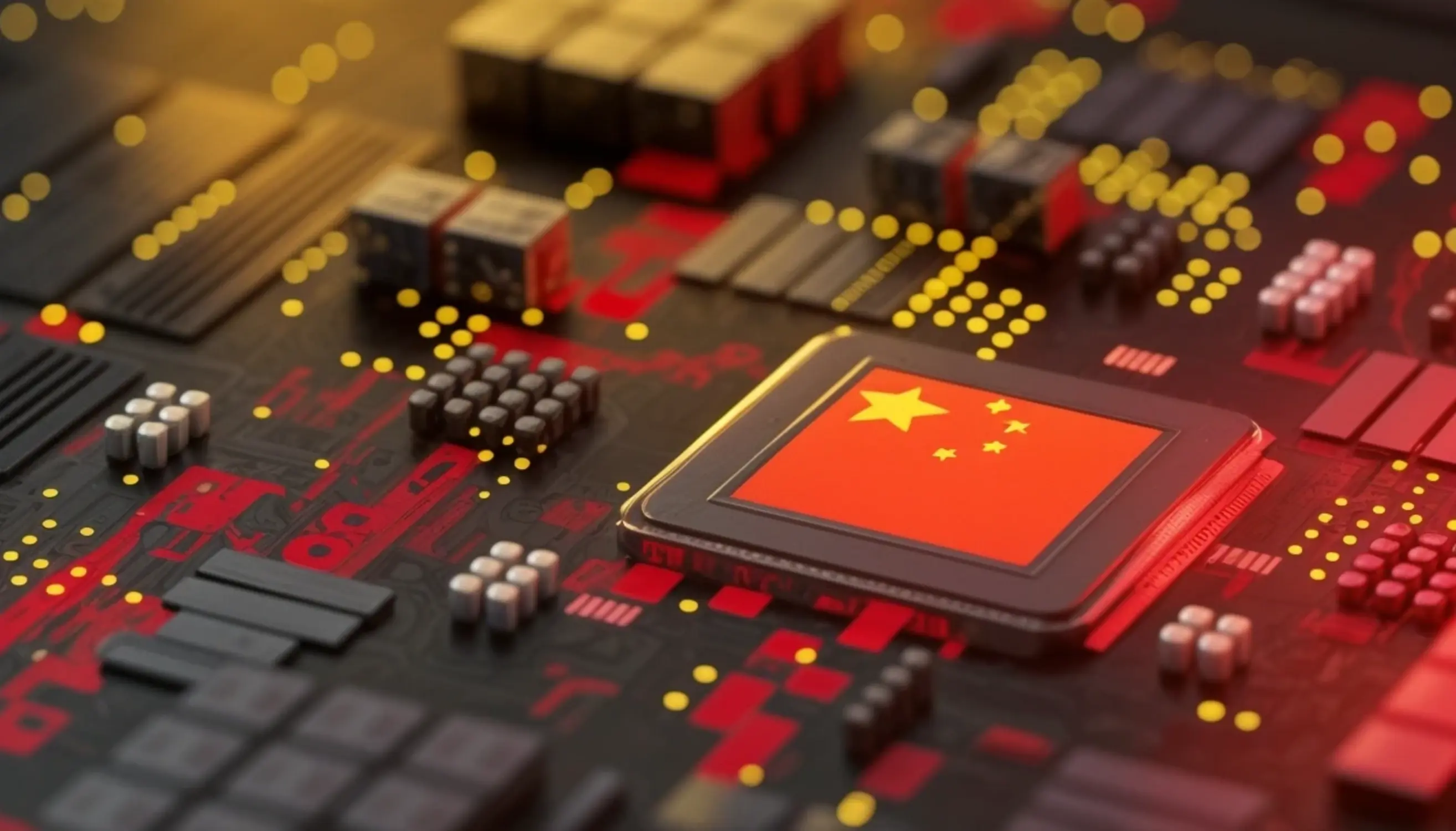
The demand for AI chips in China has surged, driven by the nation’s push to become a global leader in tech innovation. Companies across various sectors are keenly aware of the advantages that cutting-edge AI chips can provide. Recent sales of Nvidia’s advanced H200 chips to approved clients exemplify this trend, showcasing the robust appetite for sophisticated technology within China’s tech ecosystem.
Major players like Alibaba and Baidu are leveraging these advanced AI chips to enhance their offerings and maintain a competitive edge, reflecting China’s determination to not only catch up but potentially surpass Western tech benchmarks. This growth narrative underscores just how vital AI chips are to China’s aspirations and contributes to the ongoing tension surrounding US-China trade relations, as noted in government reports.
Government Policies Shaping AI Chip Technologies
The landscape of AI chip technology is heavily influenced by government policies, particularly those of the US. The US government has recently revisited its stance on AI chip exports, illustrating a balancing act between fostering competitive technological industries and safeguarding national security. Specific regulatory changes affecting Nvidia and similar companies can be seen as a response to both lobbying efforts and geopolitical pressures.
Taxation policies related to revenues earned in China also play a significant role. Nvidia’s obligation to pay 15% of its Chinese revenues to the US government underscores the complexities surrounding foreign business operations. This creates a dual-edged sword for tech companies: the opportunity to tap into lucrative markets is often offset by tight regulatory scrutiny, indicating that navigating this landscape requires both astute business acumen and alignment with compliance measures.
Navigating Technology Trends and Alliances
AI chip developments are prompting significant shifts in technology alliances. Companies like AMD are also working to keep pace with Nvidia, enhancing competition in the sector. As market players adapt to emerging technology trends, the importance of strategic partnerships becomes increasingly evident. Collaborative ventures, both domestically and internationally, may be the key to thriving amid intense competition.
Furthermore, these technology trends are reshaping perceptions and behavior among stakeholders, compelling adjustments in business strategies with a focus on adaptability. Companies are observing the implications of regulatory environments on their operational frameworks, demonstrating a proactive approach to navigate potential risks associated with technology shipments to sensitive markets.
Future Considerations for Stakeholders
For businesses engaged in AI chip production and trade, understanding emerging geopolitical landscapes is crucial. Stakeholders should emphasize the importance of adaptive strategies that account for both technological advancements and geopolitical risks. This entails keeping abreast of shifting regulations and recognizing the influence of national security dialogues on market dynamics.
In the face of these evolving challenges, companies must also consider potential shifts in corporate and consumer behavior. Increased awareness of regulatory environments may lead consumers to demand tech products that are ethically and legally sourced, thereby influencing buying patterns in the near future. Adapting to these changes will be vital for maintaining competitiveness in a rapidly evolving field fueled by AI chip innovations.