

Why Tokenization Is About to Change Everything in DeFi
Tokenization stands at the forefront of transforming decentralized finance (DeFi), promising a revolutionary shift in how we interact with real-world assets. As Florence Finance Medici (FFM) leads this change, understanding tokenization is critical for navigating today’s financial ecosystems effectively.
The Importance of Tokenization in Modern Finance
Tokenization is a process that enables the integration of real-world assets into the DeFi landscape, converting them into digital tokens that can be easily bought, sold, or traded. This innovation opens up new avenues for funding and investment opportunities, making financial markets more accessible. Industry experts have signaled a significant shift from traditional financial structures towards decentralized models, showcasing tokenization as a vital element in this transition.
The benefits of tokenization are multifaceted. For instance, it enhances liquidity, allowing assets that were previously illiquid to be traded more freely. Additionally, tokenization reduces transaction costs and timeframes, optimizing operational efficiencies. According to Florence Finance Medici, this approach not only democratizes access to capital but also introduces asset security through blockchain technology, significantly mitigating risks associated with fraud.
Moreover, the tokenization of real-world assets can provide innovation in funding models, allowing small and medium-sized enterprises (SMEs) to leverage their tangible assets to raise capital. This crucial support can drive growth and, ultimately, transform the traditional financing landscape to be more inclusive and supportive of diverse business needs.
How DeFi Is Evolving with Tokenization
Current trends in DeFi reflect an increasing interest in tokenized assets, with platforms like Florence Finance Medici paving the way forward. This emergence marks a pivotal evolution in how users interact with finances, fostering innovative applications that integrate both traditional and decentralized finance.
As DeFi continues to grow, the role of tokenization in facilitating financial inclusivity and security has become paramount. By tokenizing real-world assets, individuals and businesses gain access to decentralized ecosystems that offer better terms and conditions than conventional financing routes. The technology also ensures that all transactions are transparent and verifiable due to the immutable nature of blockchain.
Several projects in the crypto space signal an interest in incorporating tokenized assets into their offerings, benefiting from increased investor confidence and participation. FFM, with its unique protocol, exemplifies the commitment to innovate finance and enhance security while addressing the challenges faced by traditional banking methods.
Bridging Traditional Finance and DeFi
Tokenization serves as a bridge between traditional finance and the rapidly evolving world of DeFi, offering unique solutions to longstanding challenges. For small and medium-sized enterprises (SMEs), this connection can open up unprecedented opportunities for growth and investment.
However, potential challenges also exist in this transition. Issues like regulatory compliance, market volatility, and limited technological infrastructure can complicate the integration process. Yet, industry leaders emphasize that overcoming these hurdles is essential to fully embracing the benefits of tokenization and decentralized finance.
Insights from professionals in the field reveal the necessity of collaboration between traditional financial institutions and DeFi platforms. This partnership can help streamline processes, reduce risks, and establish a safe environment for the adoption of tokenization. Continued dialogue and shared innovations will be key to seeing this integration come to fruition.
FFM’s Role in Tokenizing Real-World Assets
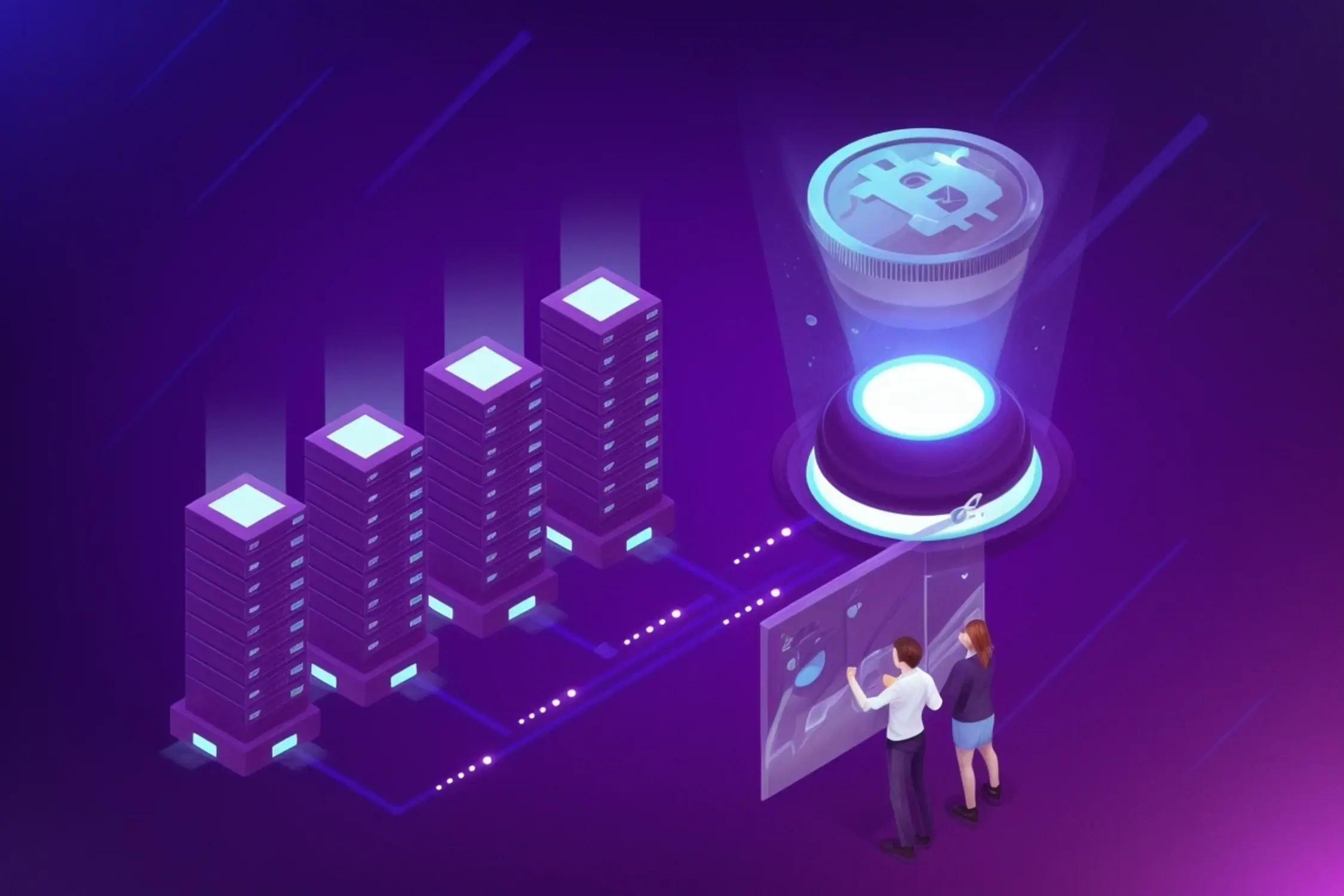
Florence Finance Medici’s approach to tokenization is multifaceted, focusing on enabling real-world loans to be transformed into yield-bearing digital assets. By tokenizing these loans, FFM allows them to be utilized in various DeFi applications while ensuring security and transparency through blockchain technology.
One key feature that sets FFM apart from its competitors is its commitment to bridging the gap between traditional finance and DeFi. By enabling SMEs to access decentralized credit systems, it fosters a more inclusive financial future. Moreover, FFM emphasizes the sustainability of tokenized loans, ensuring that they can withstand market fluctuations by providing flexible repayment options and dynamic yield strategies.
In essence, FFM not only enables tokenization but ensures that it aligns with the broader principles of sustainability and inclusivity that define the DeFi landscape. As the platform continues to evolve, its ability to adapt will be crucial in navigating future challenges and opportunities.
Future Trends in Tokenization within DeFi
Looking ahead, predictions suggest that tokenization will shape the next wave of financial innovations. It will likely lead to the emergence of novel financial products, enhancing liquidity and access to a broader range of assets. The anticipated impact of regulatory changes will also add a layer of complexity to tokenization strategies, pushing developers and financial entities to innovate responsibly.
Emerging technologies, such as artificial intelligence and machine learning, are expected to influence the future of tokenized assets significantly. These advancements will provide enhanced data analytics, improving risk assessment and investment strategies in real time. As the landscape matures, it will be essential for both individuals and businesses to stay abreast of these trends to harness the benefits of tokenization fully.
Actionable Steps Towards Embracing Tokenization
For individuals and businesses interested in embracing tokenization, several actionable steps can be taken:
– Educate Yourself: Resources like online courses and webinars can help in understanding DeFi and tokenization.
– Evaluate Opportunities: Assess how tokenized assets can fit into your investment strategy or business model.
– Invest Securely: Utilize platforms like FFM for a safe entrance into tokenized investing.
– Stay Informed: Following industry reports and updates will help in adapting to the fast-changing DeFi landscape.
The journey into the realm of tokenization offers both exciting possibilities and real challenges. With the right approach, individuals and organizations can position themselves as pioneers in the evolving intersection of traditional finance and decentralized systems.

